
Dear colleagues
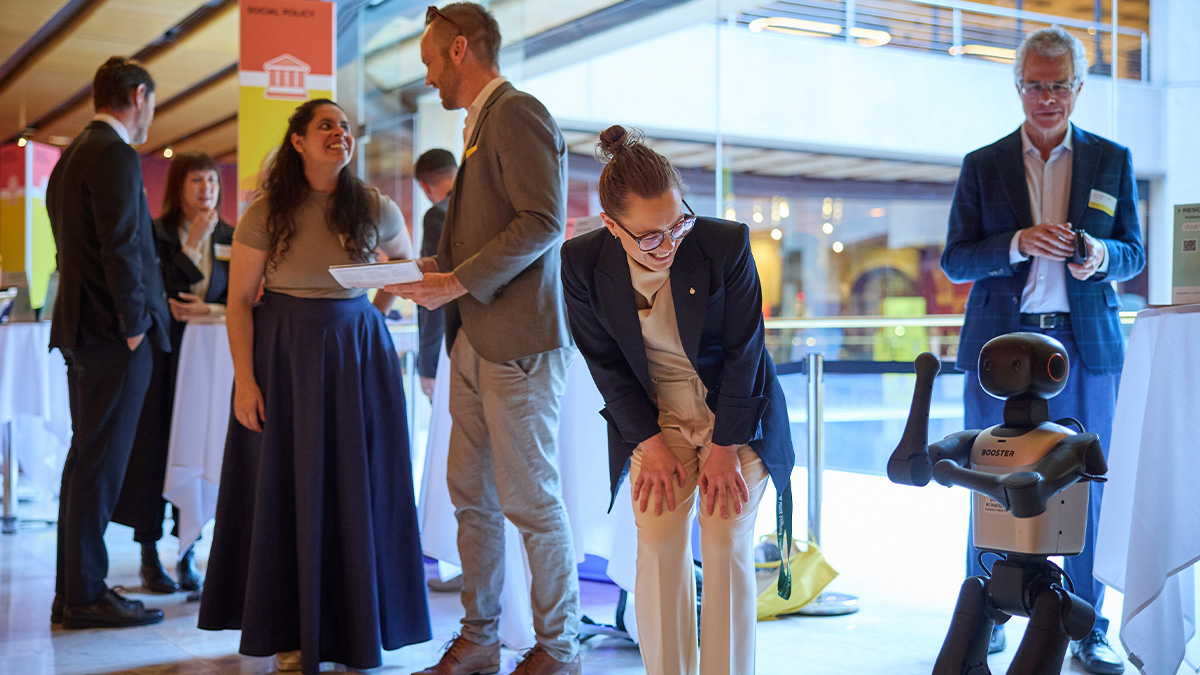
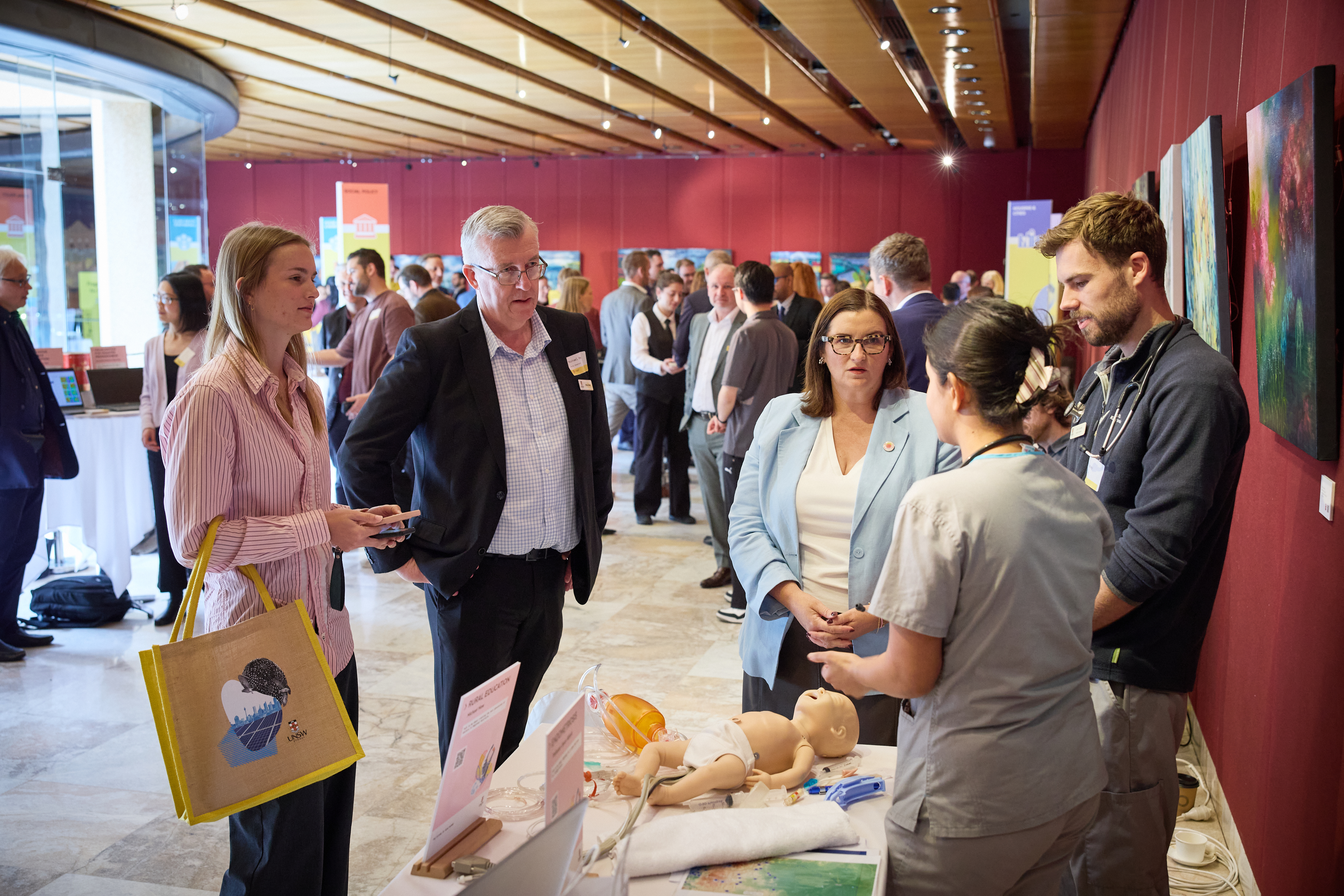
We are now well into the second half of the year, and for many of us there is a growing list of things we would like to achieve before the end of 2026. At times like this, it can be useful to see UNSW through the eyes of others. Our Powered by UNSW Showcase at Parliament House in Macquarie St was a demonstration of the strength of our reputation and the contribution we make well beyond the University.
The NSW Showcase and a similar event last month in Canberra saw more than 40 academics, researchers, students and staff from UNSW present work in the halls of both Parliaments. Together they attracted more than 250 parliamentarians, ministers, advisers, public servants and other decision-makers from across the political spectrum. The response was enthusiastic and, importantly, the conversations have continued: new relationships are being followed up, existing partnerships have been strengthened, and we are receiving invitations for UNSW experts to contribute further to policy thinking and development.
This engagement is important for our society. UNSW has deep knowledge and expertise that can help decision-makers understand complex problems, test assumptions and develop better solutions. By being visible, accessible and constructive and by offering evidence-based advice we can ensure UNSW continues to be recognised as a trusted source of knowledge and expertise.
This is central to our Progress for All mission. Our impact is measured by what we discover, and by how effectively that knowledge travels into policy, industry, communities and public services. Everyone who contributed to these showcases represented UNSW with distinction and helped strengthen our ability to have that genuine societal impact. My thanks to all involved, and particularly to our Government Relations team for creating these opportunities and turning strong conversations into sustained engagement.
2025 Annual Report on GBV prevention and response
Later this year UNSW will release our 2025 Gendered Violence Prevention & Response Annual Report. Reading it has given me cause to reflect on the sustained effort across the University to prevent and respond to gender-based violence.
UNSW has reported publicly on our gender-based violence prevention and response work for several years, and in 2025 we developed a new whole-of-organisation Gender-based Violence Prevention and Response Plan (WoOP) in preparation for the National Higher Education Code to Prevent and Respond to Gender-based Violence.The Code now establishes enforceable standards across Australian higher education and, of course, UNSW has an obligation to meet them. But I don’t believe our ambition should ever be simply to comply with a regulation.
What has impressed me is the determination of colleagues to go further and develop an approach that reflects the kind of university we want UNSW to be: safe, respectful, transparent, evidence-led and prepared to keep learning. Our whole-of-organisation plan brings together prevention, education, support, reporting, student accommodation and continuous improvement, with student voices built into that work. TEQSA, a regulator not known for giving out praise (in fact in all my years in higher education I have never seen this before), specifically recognised the quality of UNSW’s work in developing our GBV response and reporting when it provided reaccreditation.
We cannot be in any way complacent however – this is difficult and long-term work. We can’t pretend we have everything right but we can remain vigilant, transparent about our progress and shortcomings, and continue demanding the best of ourselves. That commitment is consistent with the approach we have already set out publicly: going beyond compliance to embed prevention and response into the everyday practice of the University.
There are too many colleagues involved to acknowledge everyone individually, but I particularly want to thank Cathy Brown, Penny Huisman, Semra Tastan, Emma Mannering and Dr Fiona Yardley, together with Professor Jan Breckenridge and her team, and our student reference group.
I would also like to acknowledge colleagues across the University, including teams from PVC Student Success, particularly the Gender Violence Response Team (GVRT), UNSW Accommodation and affiliate accommodation providers; the Office of Assurance and Integrity (AANDI) including Conduct and Integrity, Health and Safety, Legal and Governance; People and Culture; the Gendered Violence Research Network; and colleagues across faculties and divisions. Their diligence, expertise and care are helping make UNSW a safer and better community.
BABS LEAF
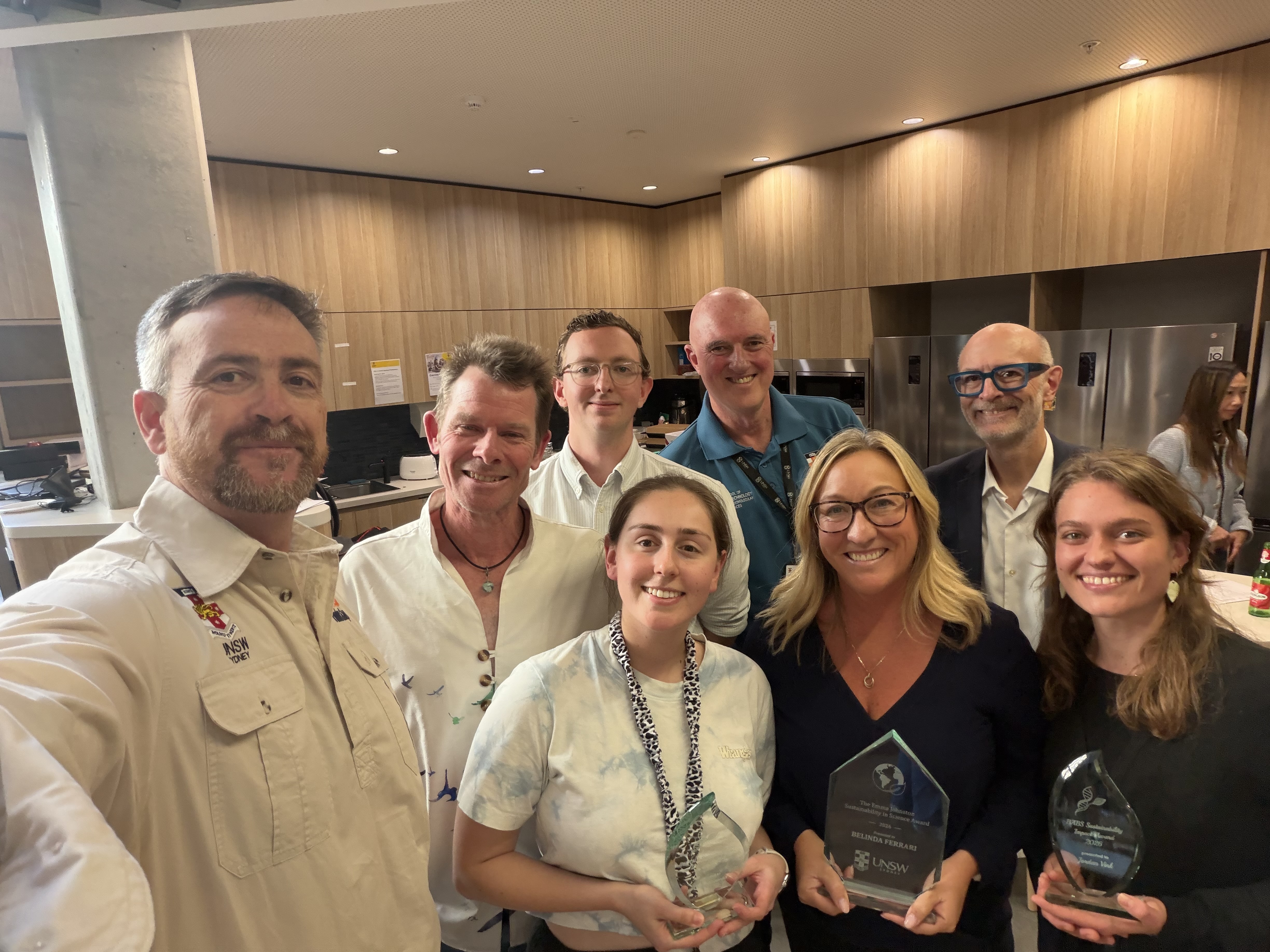
It was a pleasure to join colleagues from the School of Biotechnology & Biomolecular Sciences (BABS) recently to celebrate an extraordinary sustainability achievement. In 2025, every BABS wet laboratory achieved accreditation through the Laboratory Efficiency Assessment Framework (LEAF), making BABS the first academic school in Oceania to achieve full laboratory participation. It demonstrates that how you do something is often just as important as what you do. And when it comes to sustainability, ensuring our labaoratories, which are the heart of tackling sustainability challenges, are themselves managed sustainably.
Having spent plenty of time in chemistry laboratories myself, I know how resource-intensive they can be. Equipment runs for long periods, experiments generate waste and seemingly small decisions are repeated thousands of times across a year. LEAF asks researchers to look carefully at those everyday practices and find ways to reduce energy, water, plastics and other resources while maintaining excellent research.
BABS has shown how much can be achieved. The Ferrari Lab was the first laboratory in Oceania to achieve Gold LEAF accreditation in 2022, and Professor Belinda Ferrari has continued to champion sustainable laboratory practice across the school. It was fitting to see Belinda receive the Emma Johnston Sustainability in Science Award. Congratulations also to Jordan Vink and Anna Roniotis, recipients of the BABS Sustainability Impact Awards, whose persistence and enthusiasm helped drive BABS towards 100% accreditation.
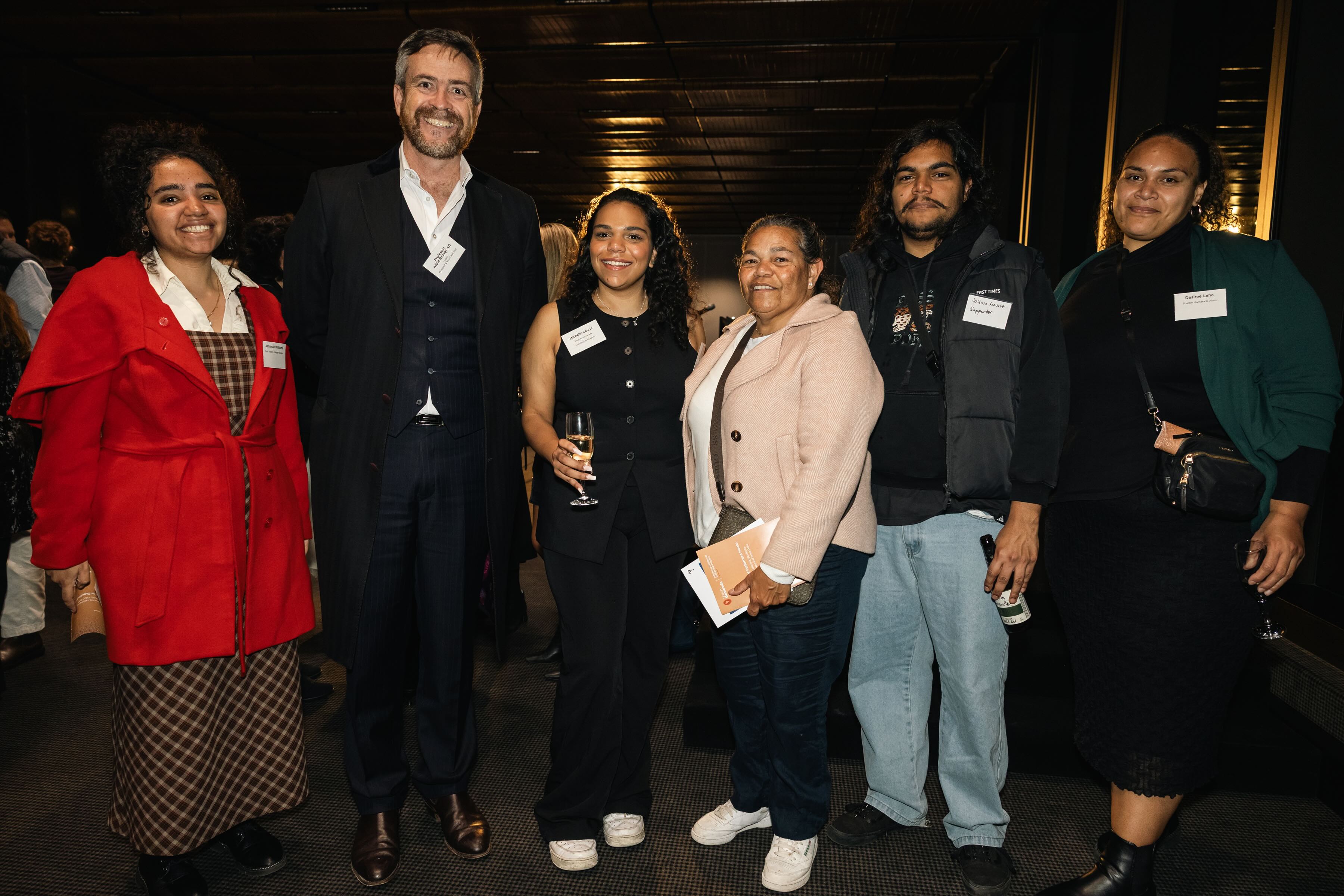
Shalom Gamarada at Parliament House
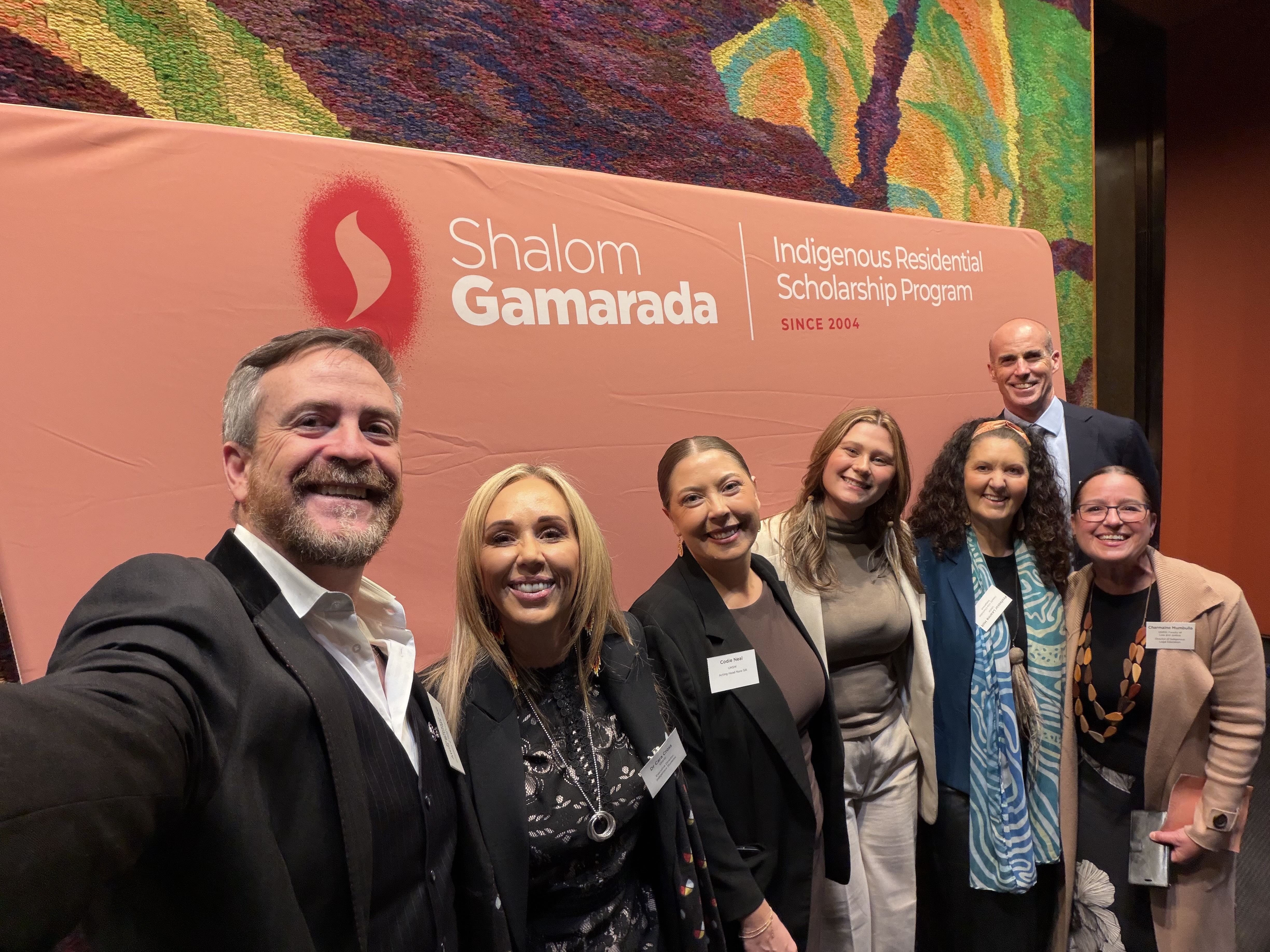
I joined around 200 guests at Parliament House recently to celebrate Shalom Gamarada and the remarkable students and graduates it supports. Established in 2004, Shalom Gamarada is an independent Jewish community organisation that has spent 22 years creating opportunities for Aboriginal and Torres Strait Islander university students through residential scholarships.
Today, its students live at Shalom College at UNSW and Mandelbaum House at the University of Sydney, supported largely through the generosity of the Australian Jewish community. Over two decades, the program has helped almost 100 Indigenous students graduate across fields ranging from medicine, law and engineering to social work, commerce and the creative arts — an extraordinary contribution to higher education and to Australian society.
The highlight of the evening for me was meeting some of the inspiring scholarship recipients themselves and hearing about their ambitions and achievements. Shalom Gamarada began with a particular focus on supporting Indigenous medical students and has made an important contribution to UNSW’s proud record of educating Indigenous doctors, while its impact now reaches across many disciplines. Its strong partnerships with Indigenous organisations and its commitment to education, opportunity and community demonstrate what can be achieved when people come together with a shared purpose. I was delighted to support the event and congratulate everyone who has helped build Shalom Gamarada and the incredible legacy it has created for Australia — and, above all, the students and graduates whose talent, determination and success are at the heart of its story.
Bengaluru Orientation Week
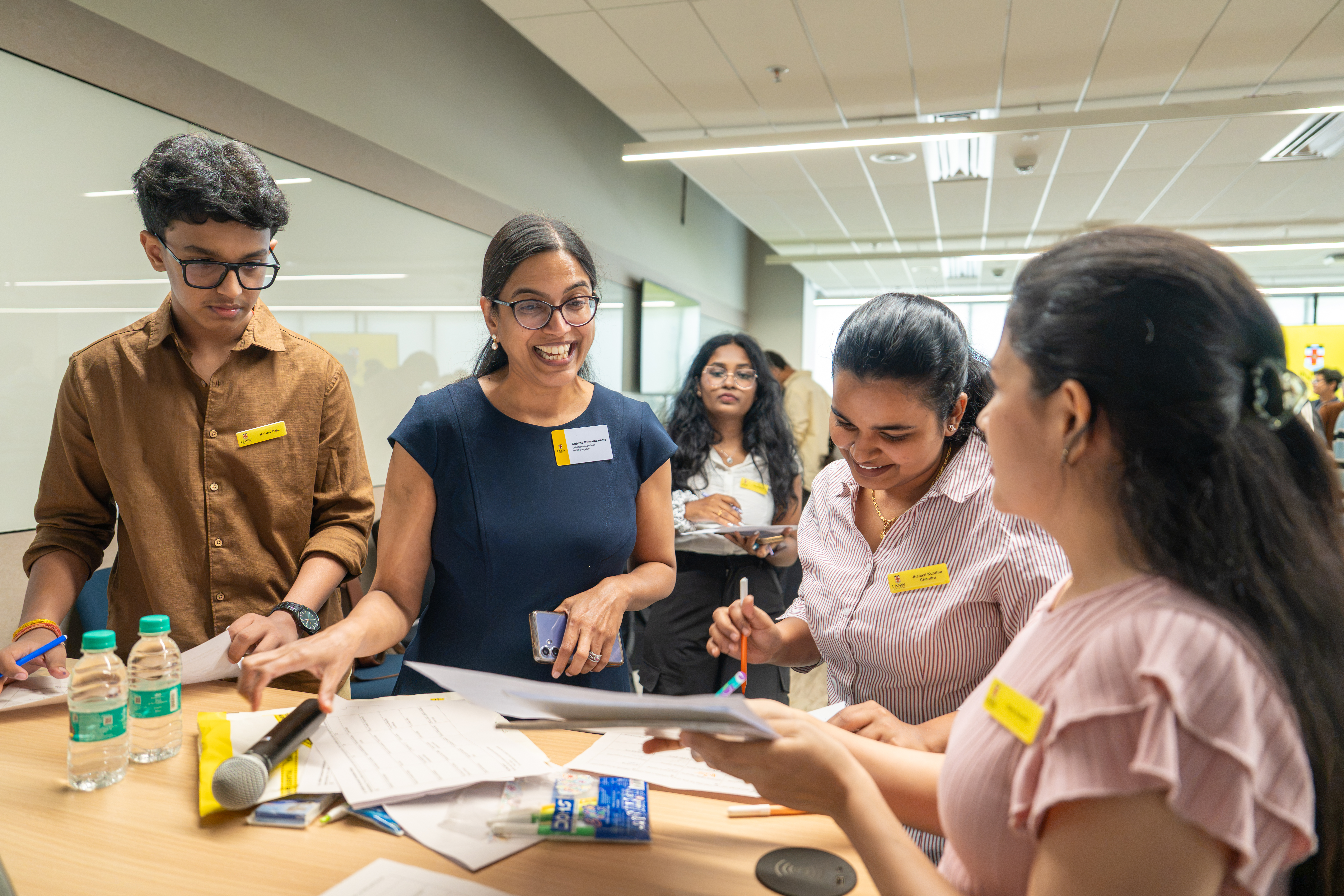
Last week, UNSW Bengaluru welcomed our inaugural cohort. During Orientation Week students across Business, Computer Science, Data Science and Cyber Security came together for a week designed to build connection, belonging and confidence as they began their UNSW journey.
Orientation brought the UNSW experience to life through connections with our wider community, with students hearing from UNSW alumni, student clubs and colleagues in Sydney, alongside interactive activities focused on building a strong sense of belonging at UNSW Bengaluru. A key theme throughout the week was empowering students to have a voice in shaping their university experience. As our first UNSW Bengaluru cohort, these students have a unique opportunity to determine what comes next. Their enthusiasm, ideas and willingness to get involved were evident throughout the week as they began building the traditions, connections and culture that will help define the UNSW Bengaluru experience.
Start Something @ UNSW
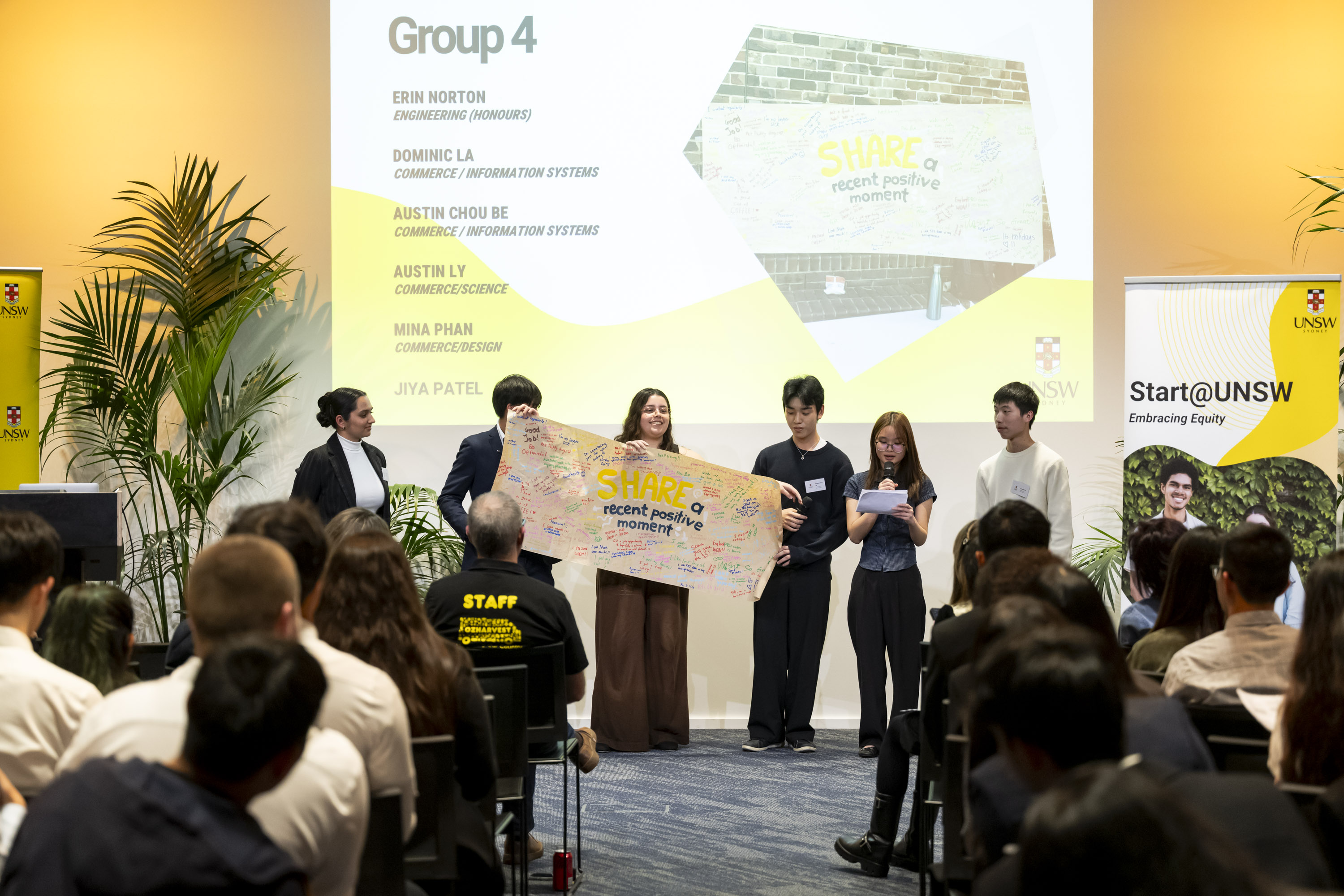
The recent Start Something Project Showcase was a terrific example of the ambition and creativity of our students. First-year students who came to UNSW through the Gateway Program developed and presented projects addressing real-world challenges that mattered to them, sharing their ideas with fellow students, colleagues, alumni and industry partners.
More than 100 people attended the showcase, and I was delighted to hear about the confidence and ingenuity the students brought to their projects. Start Something gives students the opportunity to turn an idea into something practical while developing skills they will carry through their studies and into their careers.
One student said they had never imagined having this kind of opportunity when they arrived at university, particularly with funding and support behind them. Another reflected that the experience had shown them, simply, “I can do this.” I think that says a great deal about the value of programs like this.
2026 Young Tall Poppies
Three UNSW researchers Dr Aaron Eger, Professor Clare Arnott and Dr Hammond Pearce have been recognised in the 2026 Young Tall Poppy Science Awards. Their areas of research could hardly be more diverse, but together they demonstrate the best of UNSW: research excellence coupled with a determination to make a positive difference in the world.
Aaron’s work is helping protect and restore the world’s kelp forests, including through the global Kelp Forest Alliance; Clare is advancing cardiovascular health, with particular expertise in women’s heart disease, heart failure and cardiometabolic medicine; and Hammond’s research is tackling some of the increasingly complex challenges in hardware and software cybersecurity, including the security of embedded and cyber-physical systems.
One of the most exciting things about accolades like the Tall Poppy Awards is they shine a light on important work and give the people doing it a platform from which to have greater impact. It is particularly gratifying to see recognition given to research that so clearly reflects our Progress for All mission and combines deep expertise and intellectual ambition with a clear sense of public purpose.
We are incredibly fortunate to have colleagues like Aaron, Clare and Hammond in our community. They are an inspiration, and we can all take pride in their success.
There’s more to read Inside UNSW …
- I recently launched the 2026 Be a Better Human campaign. At UNSW, our diversity is one of our greatest strengths, and creating a strong sense of belonging is essential to our community. Be a Better Human reminds us that respect and inclusion are fundamental to who we are, and that we all have a role to play in understanding, preventing and responding to disrespectful behaviour.
- Dr Vaishnavi Ananthanarayanan helps drive UNSW’s diversity and inclusion work as academic lead for the SAGE Athena Swan Program. Read more about the program and Dr Ananthanarayanan in this edition of Inside UNSW.
- Dr Bic Tieu in the School of Art & Design explores migration, culture and identity through her teaching and creative practice, working across contemporary craft, metalwork and lacquer. Read more in this edition’s profile.
- Dr Josh Andres, co-lead of the Human-Machine Experience Group (HuMaX) at UNSW Canberra, investigates the design, experience and futures of emerging technologies to support more inclusive, collaborative, joyful and sustainable ways of living with technology. Read more in this edition’s AI Insider.
- UNSW annual Diversity Festival is coming soon, read about how you can become involved in this celebration of what makes UNSW special and excellent.
Best regards
Attila
Professor Attila Brungs
Vice-Chancellor & President
- Log in to post comments