
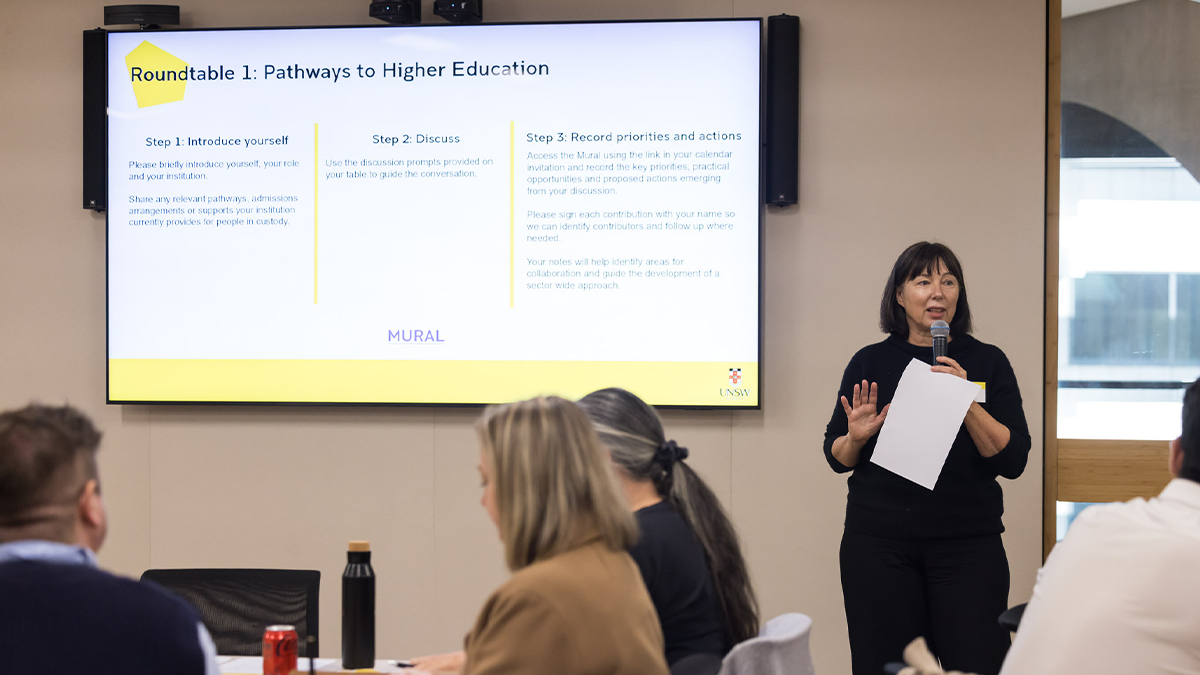
A UNSW event brought together universities, youth justice centres, key partners and people with lived experience to explore more equitable pathways into higher education and the delivery of education programs in prisons.
Student Equity hosted ‘Incarceration and Education: Opportunities for Transformation’ on 30 July at UNSW City campus, attracting 32 in-person attendees and about 20 online participants. Representatives joined from universities across Australia, community organisations and youth justice centres.
Uncle Michael West welcomed attendees to Country and encouraged them to use education, advocacy and collaboration to help create a society in which everyone can thrive.
Education changes lives
Confit Pathways CEO Joe Kwon spoke about his experience of incarceration and the role education played in changing the direction of his life.
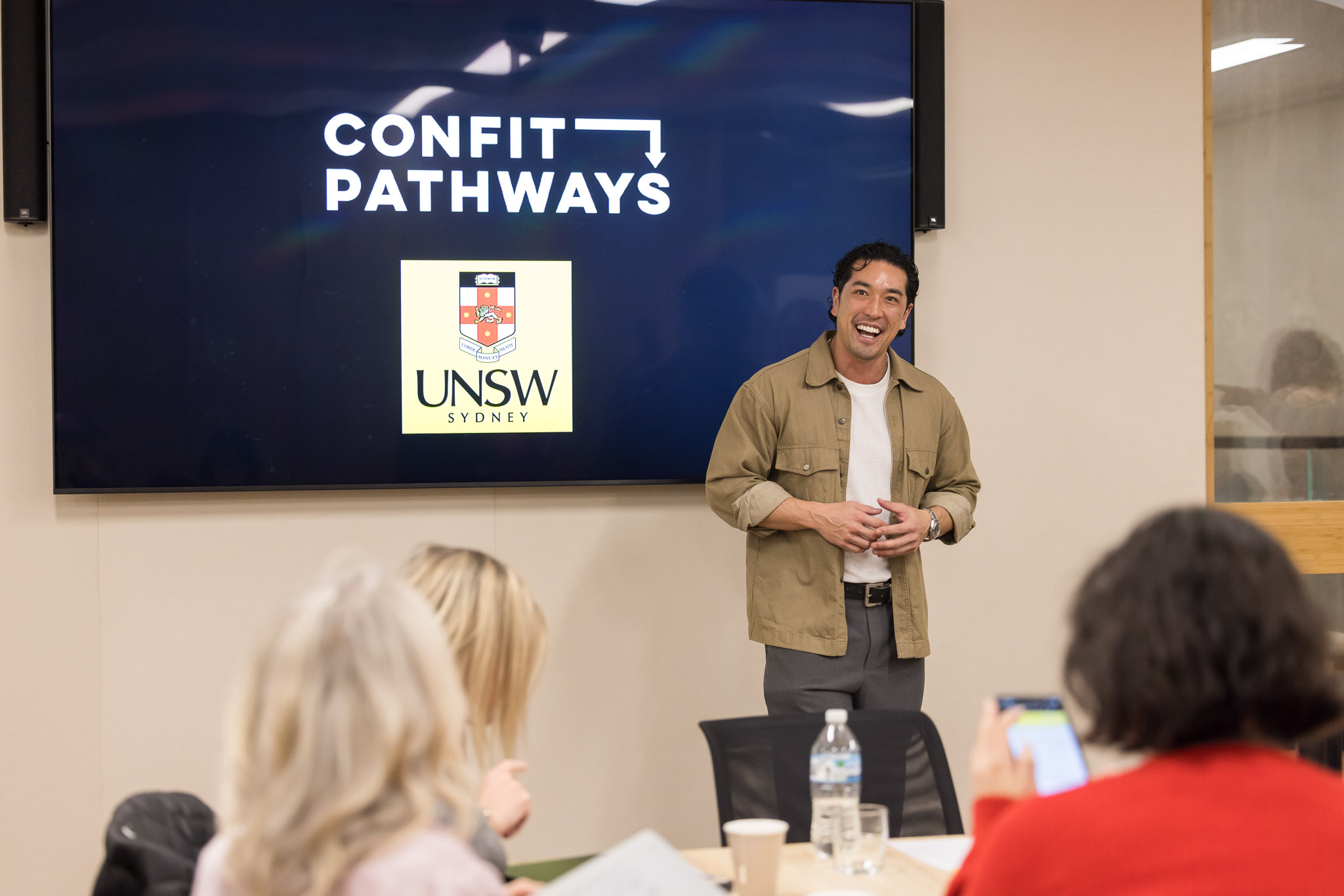
“Education was the most transformative thing I could do to change my life." Joe said.
He described moving from university preparation studies in prison to studying on campus at UNSW, where he developed the networks and skills that led to him establishing Confit Pathways. The organisation now delivers mentoring programs in youth justice facilities nationally, and the partnership with UNSW Sydney is the first of its kind.
Joe said universities and justice agencies needed to work together to expand existing programs.
“We’ve got so many people doing wonderful things individually, but how can we collaborate to make this something that’s scalable and something that we can offer to all the centres?” he said. “One of the objectives of the symposium was to bring together key stakeholders to consider opportunities for expanding the Confit partnership with other universities, creating for options pathways for people in incarceration,” Mary Teague said.
Support beyond admission
Michael Kwan, founder and CEO of Praxis Youth and a social justice advocate with Uniting, discussed his transition from youth justice into higher education through the Gateway Admission Pathway. He also received a ConFit Accommodation Scholarship.
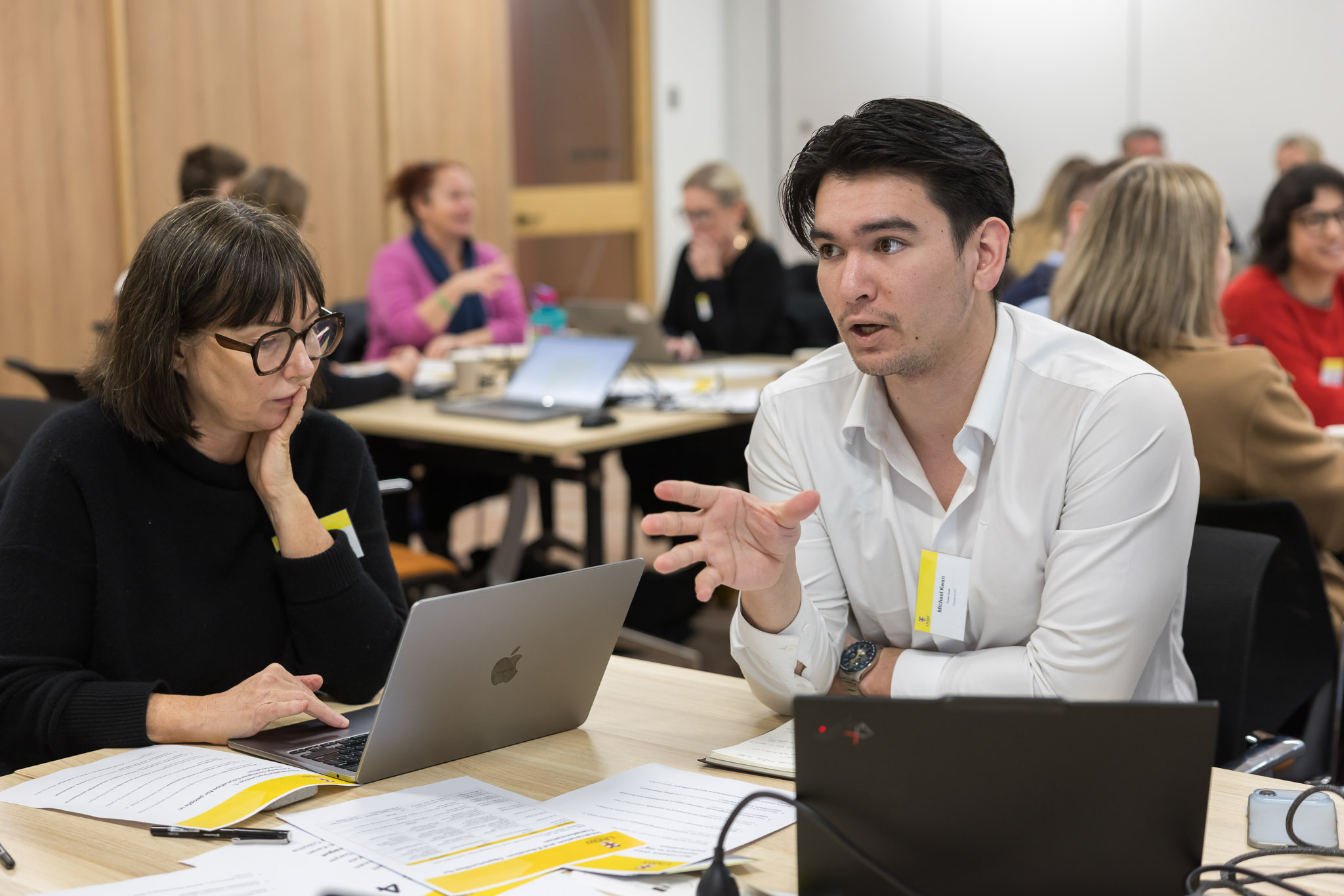
“I didn’t really have that belief or didn’t really know anyone that had been to uni,” he said. “But having people around me saying that this actually is a pathway, this is something you can do, was really powerful.”
He also highlighted the importance of practical support after admission, including accommodation, employment and regular contact with University staff. Michael received the ConFit Accommodation Scholarship, which enabled him to live on campus.
“The on-campus accommodation was great as well,” Michael said. “Being close to classes, actually feeling like a university student, not an ex-inmate or a young person with his past, but actually, ‘I’m a student’, was a really empowering feeling.”
Sharing proven approaches
Australian Catholic University’s Nyree Gale presented The Clemente Australia program, which delivers accredited first-year humanities units in community and correctional settings. She said students at Parklea Correctional Centre had reported increased confidence, pride, academic skills and hope for the future.
Nyree said one of the program’s most significant outcomes was “the identity shift from inmate to student or to learner”.
Curtin University also shared its longstanding prison outreach work led by Len Nielsen, which has enrolled students in more than 65 prisons across Australia. Curtin Bachelor of Science course lead Associate Professor Alison Blyth outlined efforts to expand access to science education through accredited courses and hands-on outreach programs.
“We just want to get as many people out there engaging as possible,” Alison said.
She also called for a national, multi-institution approach that would connect education opportunities across states and support students from their first interest in study through to employment or further education.
“Events like this are critical in building the connections and collaborations needed to create new opportunities for tertiary education in Australia’s prison system,” Alison said. “The sense of partnership in the room was a joy to see.”
Building national collaboration
Roundtable discussions focused on expanding pathways into higher education, improving transitions from custody to campus and sharing knowledge across institutions.

Participants discussed the need for flexible entry options, scholarships, secure housing, academic support and stronger connections between universities, justice agencies, community organisations and people with lived experience.
“It was inspiring to see so many people united by a commitment to expanding opportunity through education,” Len said. “Events like this strengthen the partnerships that make this work possible and remind us that access to learning has the power to change futures, both for individuals and for the broader community.”
The Justice Reform Initiative will establish a Community of Practice to continue this work and support knowledge sharing across the sector. Curtin University will facilitate the next event. Colleagues interested in contributing can contact Student Equity to express their interest.
Photo: Anna Kucera/UNSW. Mary Teague roundtable.
- Log in to post comments