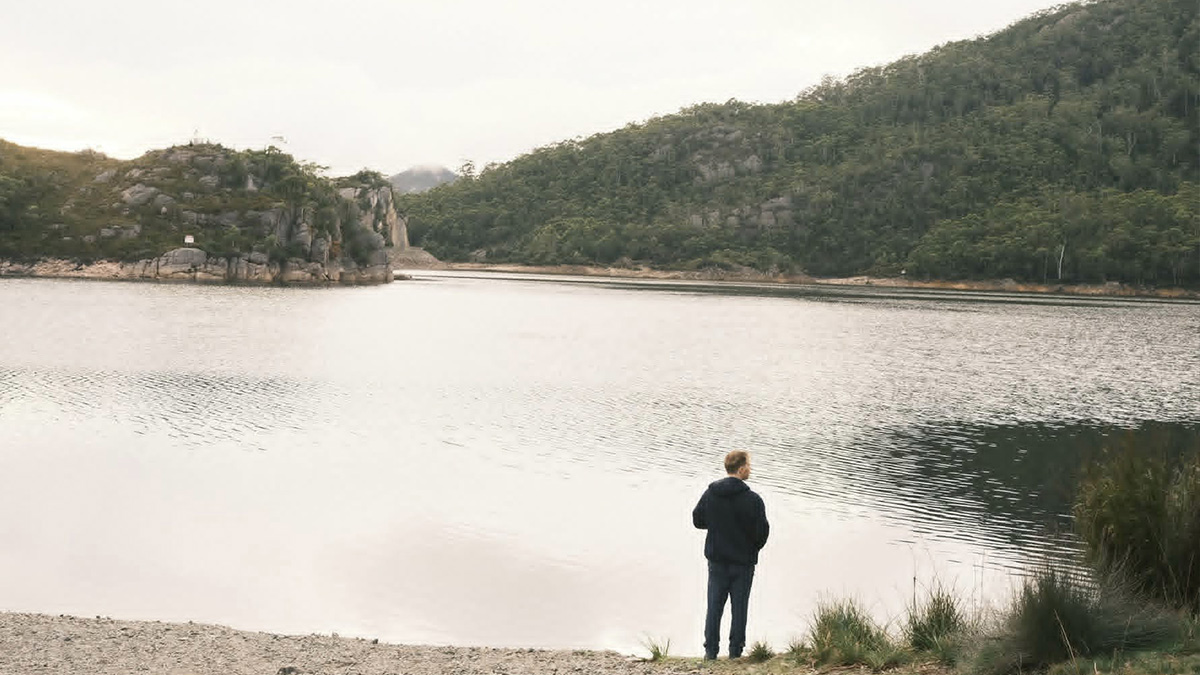
After overcoming first-year struggles at UNSW as a student, the Lecturer in the School of Physics now teaches thousands of students.
Dr Thomas Dixon joined UNSW in 2011 as an undergraduate. Fifteen years later, he is a Lecturer in the School of Physics and part of the First Year Physics team. He teaches some of the University’s largest courses, with up to 1500 students and helps shape how physics is taught at UNSW.
Learning the hard way
Thomas says his own start at university was far from smooth.
“When I first got to UNSW, I failed a bunch of subjects – it was a shock. The way I’d learnt in high school didn’t translate, and I had to rethink how I studied.”
He came from a background where he excelled with structured learning and the shift to independent study was difficult.
“I was really good at school, but university needs a different kind of thinking. That adjustment was harder than I expected.
“I think being a struggling student helped me. I understand where students get stuck because I’ve been there,” said Thomas.
Turning experience into impact
After completing a PhD in physics, specialising in optical tweezers, Thomas moved into academia at UNSW. His research focused on laser-trapped particles acting as tiny sensors, combining experiments with simulations.
Now, much of his work centres on teaching.
“I teach first-year physics, so I see that transition up close. That’s where we can have the biggest impact.
“The best conversations I have are often with students who’ve failed. That’s when they’re most open to changing how they learn,” he said.
Connecting students
Thomas has also introduced new ways for students to connect, including Discord communities. First created during the COVID-19 pandemic, they are now a core part of his courses.
“Students are already forming communities online, so we meet them where they are,” he said.
These spaces help students ask questions and build confidence, especially in first year.
“I joined a lot of societies at UNSW. The friendships I made are still a big part of my life.”
Rethinking success
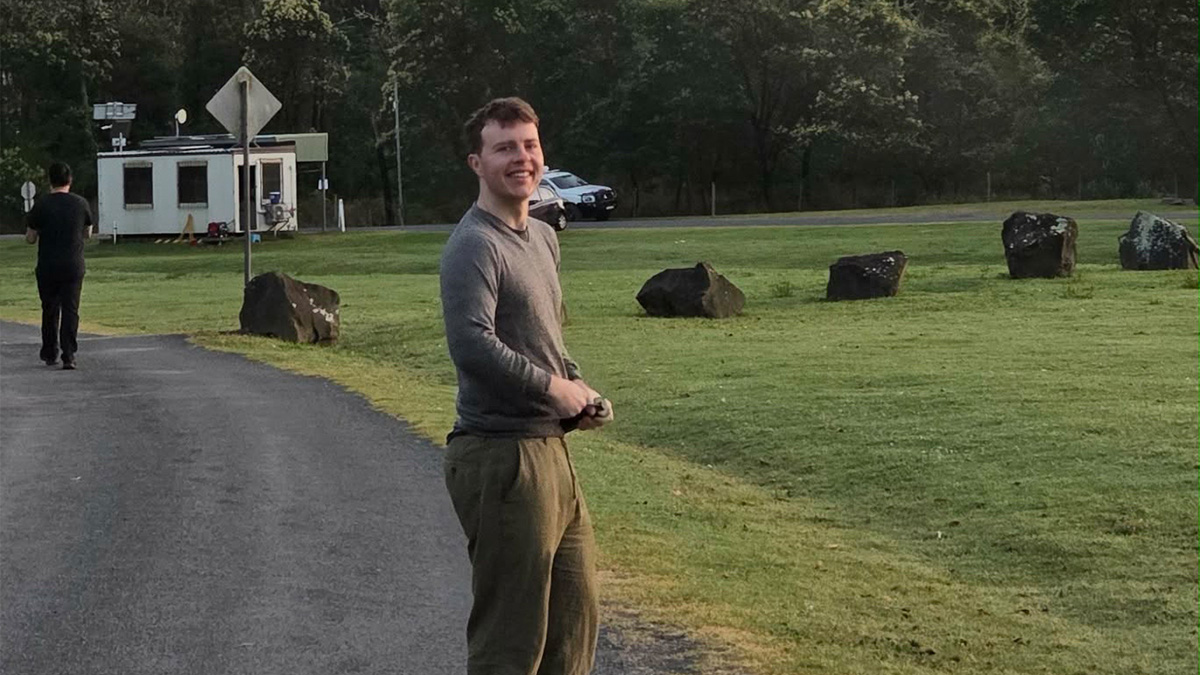
Thomas didn’t plan a career in academia and “just focused on doing the next thing well”, encouraged by mentors.
“I really enjoy it. The flexibility and autonomy work for me.”
“The core purpose of university is social mobility and personal growth. It’s not just about becoming a physicist, but a well-rounded person,” he said.
Advice for students
Thomas encourages students to rethink how they approach their study and careers.
“If you want to be a certain kind of person, act like them first, then grow into it.
“For those considering a PhD, do it because you want the experience, not because you expect a specific outcome.
“Your path doesn’t have to be perfect. Setbacks often teach you the most.”
What’s something about you that might surprise your colleagues?
People are sometimes surprised to find out I have a lot of tattoos … and that I genuinely love cleaning. I find it really satisfying.
What’s the best piece of advice you have received?
“One piece of advice that really stuck with me was that your actions define who you are, not who you think you are.”
What makes you happy?
I think what makes me happiest is just spending time at home with my partner, Jess, doing simple things like crafting together or just hanging out.
What day in your life would you like to relive?
There was a band called King Gizzard and the Lizard Wizard … they do world tours, and their live shows never have the same set list. My favourite song of theirs is 18 minutes song,and ,by coincidence, the show I went to last year had that song in it, and I lost it. I still listen to the recording – you can hear me in it because I was so happy.
What’s the best thing you've read in the last year?
I read The Count of Monte Cristo last year. I watched the movie and then read the book. It’s really good. It’s really long, but I really liked it.
- Log in to post comments