
Dear colleagues
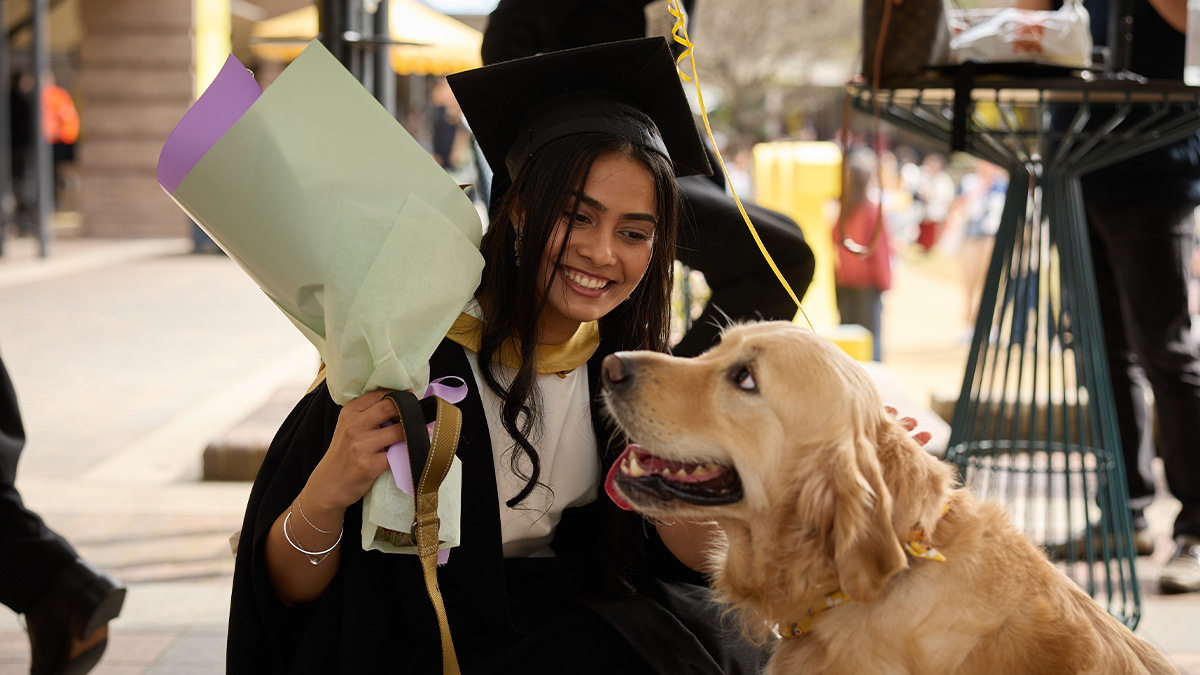
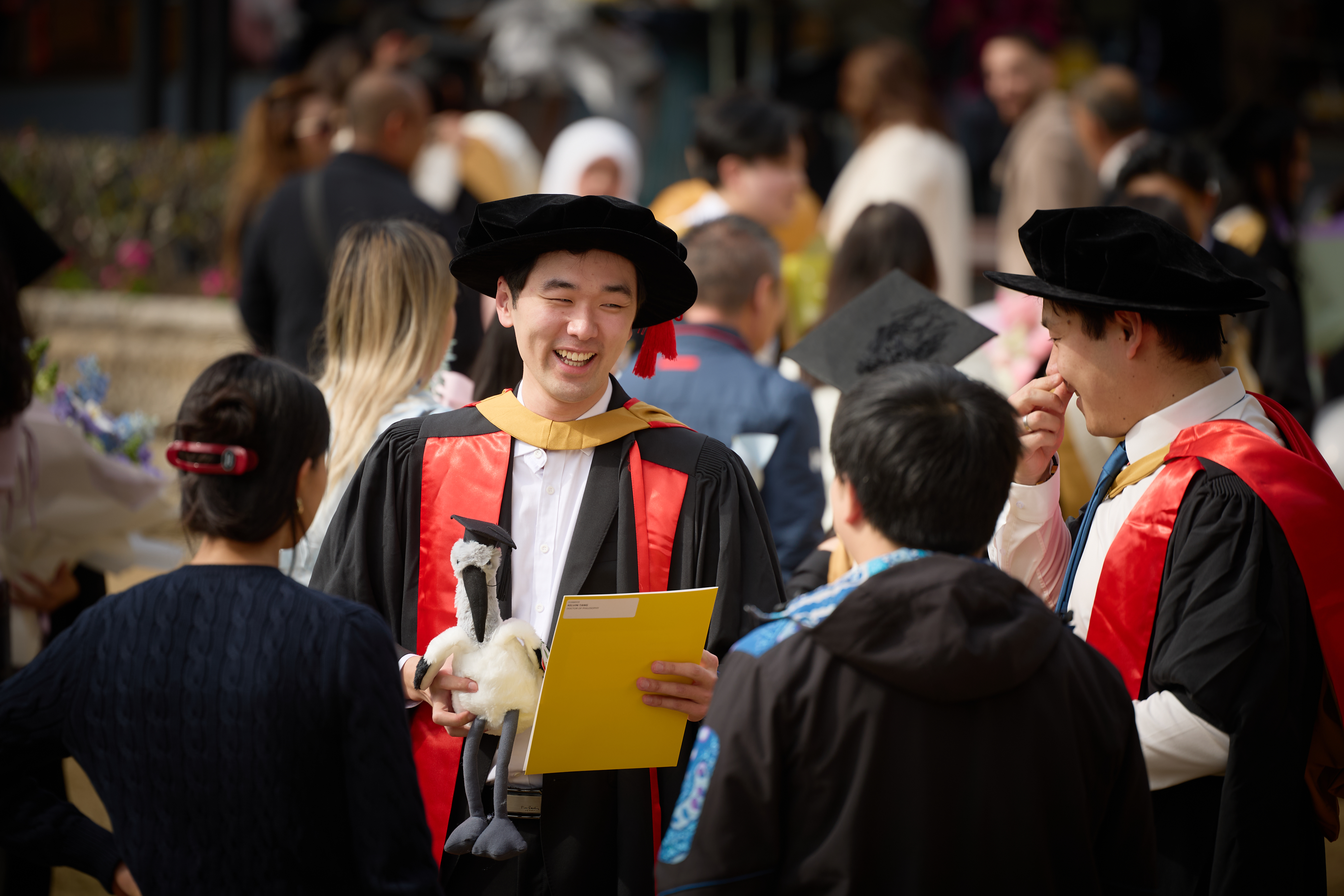
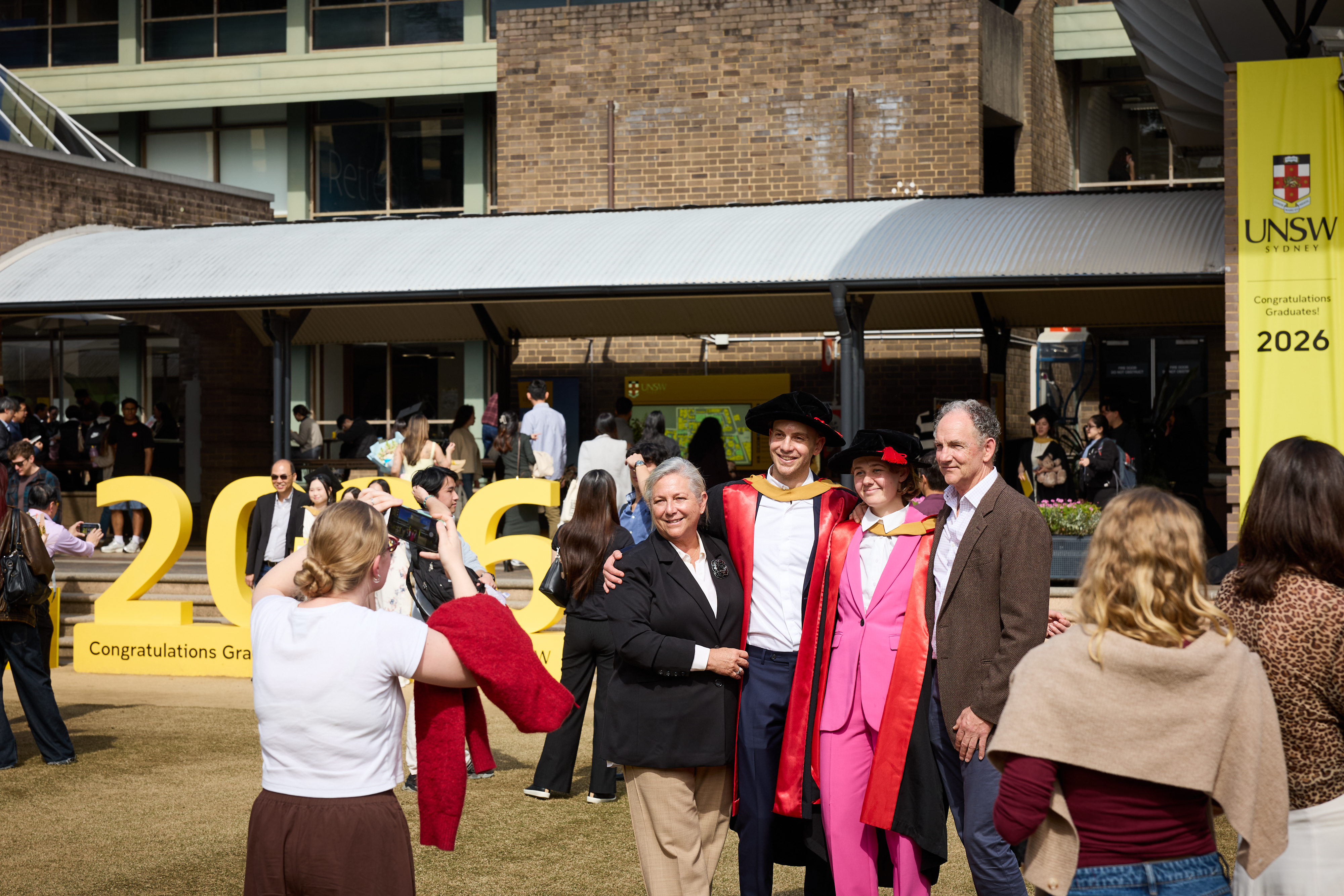
There’s always a sense of excitement on campus when graduations are being held, and this year’s August Graduation Festival was no exception. Seeing our graduates celebrate this important milestone with their families and friends, feeling and sharing the pride and joy in the air, is a powerful reminder of the purpose that unites us as a University and the difference our work makes in people’s lives.
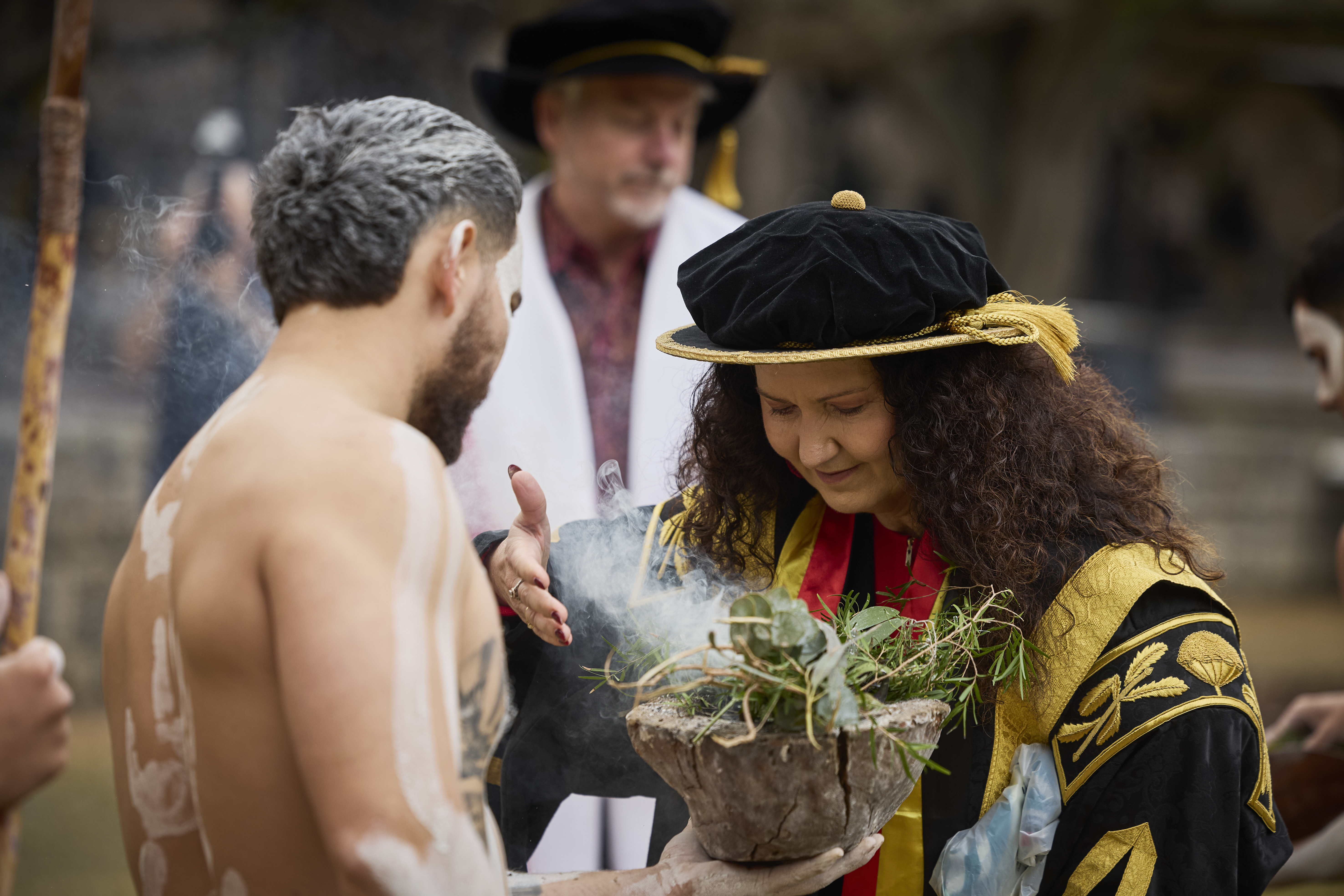
on the Library Lawn.
The festival opened with a Welcome to Country Ceremony on the Library Lawn on Monday 17 August, bringing together graduates, their loved ones and the wider UNSW community to acknowledge the Traditional Custodians of the land and mark the beginning of this significant week. Across 20 ceremonies, we celebrated 3200 graduates and welcomed around 10,000 guests to campus. We were also delighted to confer four Honorary Degrees on Stephanie Copus Campbell AM, Dr Mark Chee, Dr Lynne Billard and Maxine Brenner, recognising their outstanding contributions across healthcare, science and law, and adding to the many inspiring moments shared throughout the festival. A special thank you to the Graduation Events team for creating such a memorable event for our graduates and their supporters, and to all the many UNSW staff involved in the ceremonies.
Professor Nick Wailes
UNSW’s inaugural Dean of Lifelong Learning Professor Nick Wailes has accepted a new leadership opportunity and will become the Executive Dean of Monash Business School and Strategic Advisor, Lifelong Learning. Since joining UNSW in 2013 Nick has made an important contribution to the University in a number of senior roles including Director of AGSM, Senior Deputy Dean (External Engagement) in the Business School and most recently Dean of Lifelong Learning. He has also been an insightful and impactful member of the University Leadership team.
Over the past two years, Nick has brought vision, energy and deep expertise to the development of lifelong learning as a key strategic priority for UNSW. He has worked with faculties and divisions to build new capabilities, strengthen partnerships, expand our online and professional education offerings, and position UNSW to meet the growing demand for upskilling and reskilling throughout people's careers. His commitment to innovation, educational excellence and impact has helped shape an important part of the University's future direction, and we can all be deeply grateful for his contribution.
Lifelong Learning
Due in no small part to the leadership of Professor Wailes, UNSW is making progress in developing our Lifelong Learning offerings. It’s great to see the strong demand for new programs and courses that are being developed by faculties in partnership with the Lifelong Learning unit. There is, however, still a long way to go if UNSW’s expertise in research and education is to have enduring impact on building the capabilities that organisations and those who work for them need in a rapidly changing world. I’d particularly encourage colleagues to think about existing partners who might benefit from engaging with UNSW through lifelong learning and to reach out to the Lifelong Learning team to discuss how we might best respond to these opportunities.
Support for students and staff affected by natural disaster in Nepal
I extend my deepest concern and heartfelt sympathy for all those impacted by the devastating flash floods and mudslide in Nepal. I recognise that members of our UNSW community may have family, friends or loved ones affected, and that many will be feeling distressed as they await news. Please take care of yourselves and one another, and remember that support is available. If you are experiencing distress and would like to talk to someone, I encourage you to reach out to the University’s Employee Assistance Program (EAP), Converge International, which provides free and confidential counselling for UNSW staff and their immediate family members. Support is available for students through UNSW Student Support Services and UNSW Psychology and Wellness Service.
National Student Safety Survey
From 14 September, students across Australia will be emailed an invitation to take part in the third National Student Safety Survey. The survey asks about students’ experiences of sexual harassment, sexual assault, technology-facilitated abuse, relationships and consent, as well as awareness of support and complaints pathways. Students may choose to participate in the survey whether or not they have experienced these things.
These are difficult subjects, and taking part is entirely a personal decision, but the experiences students share through the survey can help universities understand where change is needed. The findings from the previous surveys in 2016 and 2021 helped inform UNSW’s approach to preventing and responding to gendered violence, including the development of our Gender-based Violence Prevention and Response Plan.
The National Higher Education Code requires universities to take a whole-of-organisation approach to preventing and responding to gender-based violence. For UNSW, this work aligns with our mission to create a safe and respectful University community.
I also want to ask colleagues to be mindful during the survey period. The survey may prompt questions from students, or lead someone to disclose an experience of gendered violence. You’ll find links to information for students and staff in the Inside story, including guidance on how to respond when a student discloses to you.
National Student Experience Survey
Although it runs concurrently, the national Student Experience Survey (SES), is different to the National Student Safety Survey. It also differs from the myExperience survey, which focuses on individual courses within a program. The SES is administered by the Social Research Centre on behalf of the Australian government and aims to capture a student’s whole university experience. The Student Experience Survey opens next week, Tuesday, 8 September. Please encourage your students to take part in the SES. Their feedback can help inform improvements at UNSW and assist future students in choosing where to study. Find out more in this edition of Inside UNSW.
World-changing ideas in three minutes
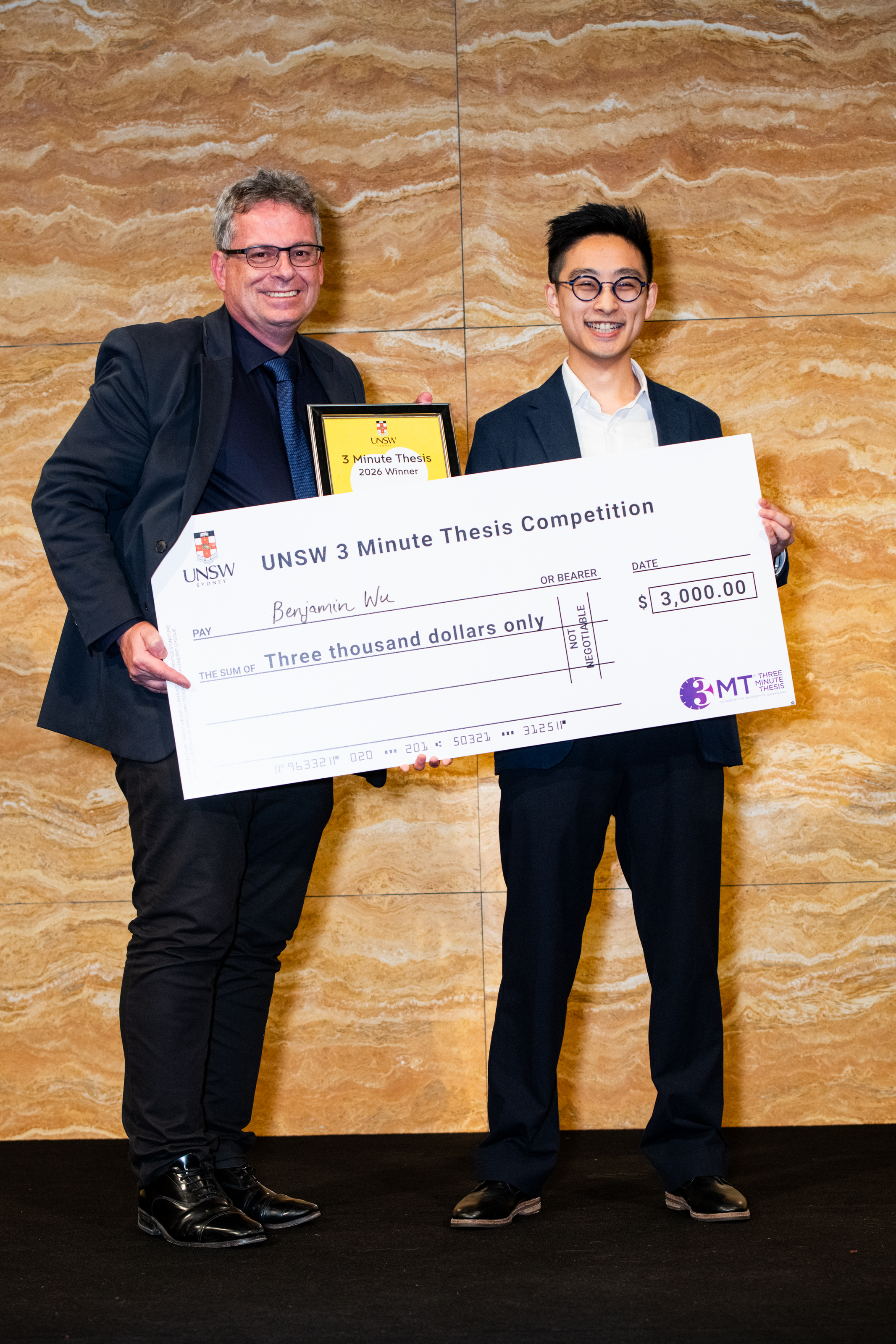
The 3 Minute Thesis event on Monday (31 August), was a wonderful and inspiring showcase of UNSW’s exceptional PhD candidates. In just three minutes, each finalist delivered a powerful snapshot of their innovative, world-changing research and explained why it matters. Congratulations to this year’s winner Benjamin Wu from the School of Biomedical Sciences. Benjamin’s work on reversing the ageing process of the human egg to restore fertility excited and delighted the judges and the crowd. I would like to extend my thanks and congratulations to all participants for sharing their incredible work with such clarity, passion and purpose. Read more on the UNSW Newsroom.
Evidence-based action on dementia prevention
Senior Australian of the Year Scientia Professor Henry Brodaty AO is supporting a new federal government campaign encouraging Australians to take simple steps in midlife to reduce their risk of dementia. Around 340,000 Australians who turned 50 between 1 July 2025 and 30 June 2026 will receive information about practical ways they can reduce their risk and help preserve cognitive function as they age. These steps include staying physically active, eating well, limiting alcohol, quitting smoking and managing heart health and diabetes risk.
Professor Brodaty, co-director of UNSW’s Centre for Healthy Brain Ageing(CHeBA), has highlighted the strong evidence behind the initiative, including findings from UNSW’s Maintain Your Brain trial, the largest online randomised controlled trial of its kind. It found that participants who received personalised online coaching in physical activity, nutrition, cognitive training and mental health showed significant improvements in cognitive performance compared to those who received general health information alone. The campaign is an important example of UNSW research being translated into practical action to help Australians protect their brain health as they age. Read more on the UNSW Newsroom.
New Orientation to Research online module
The Division of Research & Enterprise has launched a new Orientation to Research online module to help researchers connect with the people, services and opportunities that support research at UNSW. The self-paced module covers UNSW’s research strategy and culture, the research lifecycle, responsible research practices, and professional development and collaboration opportunities. New research staff will be automatically enrolled, while other research staff can self-enrol via myUNSW. I encourage all researchers to explore this valuable resource and make the most of the opportunities available across the University. For more information visit the Research Training SharePoint site.
There’s more to read Inside UNSW…
- UNSW students and staff can now access The Daily Telegraph and The Australian’s news and lifestyle content for free.
- In this edition of AI Insider, UNSW’s Social Media Manager Jack Breen explores how AI can be used to streamline everyday tasks.
- This edition’s staff profile features UNSW alumna Dhriti Narsey who has returned to the University’s School of Aviation to support the next generation of aviation professionals.
A reminder that UNSW Open Day is this Saturday, 5 September. Tens of thousands of prospective students, friends and families will visit our campuses to discover what UNSW has to offer. Please come along if you can – it’s huge fun, so enjoy the day and experience one of the highlights of the UNSW calendar.
Best regards
Vlado
Professor Vlado Perkovic
Provost & Acting Vice-Chancellor
- Log in to post comments